

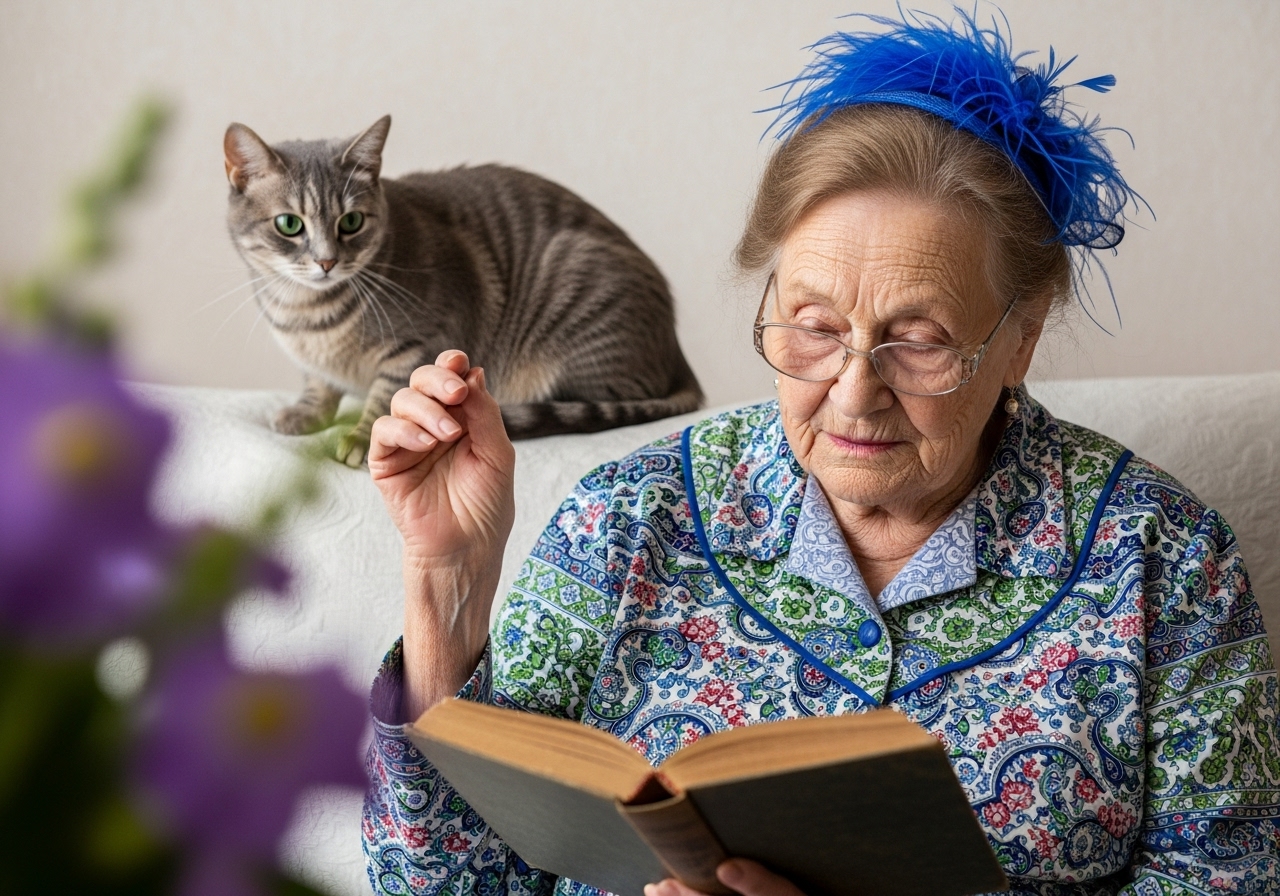
Have you ever noticed how a small, warm presence can change the mood of a room in an instant? For many older people, a pet is not just an animal; it is a companion, a reason to smile, and a gentle anchor in days that can sometimes feel long or lonely. Bringing a pet into your elderly mum’s life can offer comfort, routine, and a new source of joy that supports both emotional and physical well being. Of course this is not a casual decision, but with the right match and the right support it can be one of the most rewarding gifts you give.
The benefits are real and simple. Pets provide companionship that reduces feelings of isolation and gives someone to care for in a way that encourages purpose and activity. A cat that greets her at the door or a small dog that prompts a short walk can lift mood, increase light exercise and stimulate conversation. Animals can also act as emotional bridges. They make visits easier for friends and family, spark memories, and provide sensory comfort through touch and rhythm. For people living with memory changes or low mood, familiar routines such as feeding, grooming or settling a pet can reinforce structure and offer soothing repetition.
Choosing the right animal matters. Consider a small, low maintenance pet if mobility is limited. Consider adoption or fostering options rather than impulse decisions. Think about allergies, lifespan and the household environment. If your mum has a busy social life or frequent visits, a cat or small dog might be ideal. If she prefers quieter companionship, a fish, a budgie or a low maintenance small animal could offer company without heavy demands. Another option is professional pet therapy visits which bring the benefits of animal contact without the full responsibility of ownership.
Practical planning makes the change sustainable. If family members cannot be there daily, carers can help with feeding, grooming and vet appointments. Pet care can be included in a support plan so tasks are shared and the animal remains a positive part of life. A short trial period through fostering allows everyone to test the fit before making a long term commitment. Training and simple safety adjustments at home reduce the chance of slips, escapes or stress for both your mum and the pet.
Here are some helpful tips to get started
• Match the pet size and energy to your mum’s mobility and living space
• Start with a fostering arrangement to see how routines adapt
• Arrange vaccination, microchip and a local vet registration immediately
• Involve family and carers in a shared care plan to split responsibilities
• Provide simple aids like non slip mats, raised bowls and a pet door where appropriate
• Consider pet therapy visits if full ownership is not feasible
A pet is not a cure for every difficulty but it is a powerful companion that can make ordinary days feel richer and more connected. With thoughtful selection, sensible planning and the right support network, your elderly mum can enjoy the steady company and small pleasures that pets bring. At Upmost Care we believe in matching compassionate carers with personalised support, and we know how to help families introduce and sustain pet companionship safely and happily. We offer experienced carers who can assist with pet related tasks and who are dedicated to enhancing quality of life. If you live in London and would like to explore how a pet could benefit your loved one, please feel free to contact Upmost Care for a friendly conversation and practical guidance.